
The Makanai: Cooking for the Maiko House Full Review
Updated: Sep 23
Light and refreshing, and yet hearty at the same time, The Makanai is a cozy coming of age tale that believes in and respects its characters, offering a look behind the curtain at the modern day Maiko. If you enjoy the bosom friendship of Anne of Green Gables, the vibes of a non-fantasy Kiki's Delivery Service, or a 'slice-of-life' leisurely narrative, I would highly recommend!

Title: | The Makanai: Cooking for the Maiko House |
Platform: | Netflix |
Release Date: | January 12, 2023 |
Episode Count: | 9 |
Genre: | Contemporary Slice of Life (Be warned: she's a slow one), Coming of Age |
MDL Rating: | |
Parental Guidance Rating: | TV-14: Substances (adults drinking). The drama is overall pretty clean and I'd say suitable for all ages. |
Staring:  | Mori Nana as Nozuki Kiyo Deguchi Natsuki as Herai Sumire Makita Aju as Ryoko Hasimoto Ai as Momoko Matsuoka Mayu as Yoshino Matsuzaka Keiko as Chiyo |
Synopsis: The Makanai follows teenage best friends Kiyo and Sumire as they leave their small town for the historical district of Kyoto in hopes of becoming a Maiko (Geisha in Training). Kiyo has a hard time adjusting, while Sumire is slaying left and right, catching the eye of the brilliant Momoko. Despite her setbacks, Kiyo is determined to stay with Sumire and so takes up the role of the house cook, finding her passion and becoming a support to her housemates. While one cooks and the other leaves no crumbs, the Maiko House slowly begins to feel like home.
Cast From Left to Right: #MoriNana, #DeguchiNatsuki, #MakitaAju, #HashimotoAi, #MatsuokaMayu

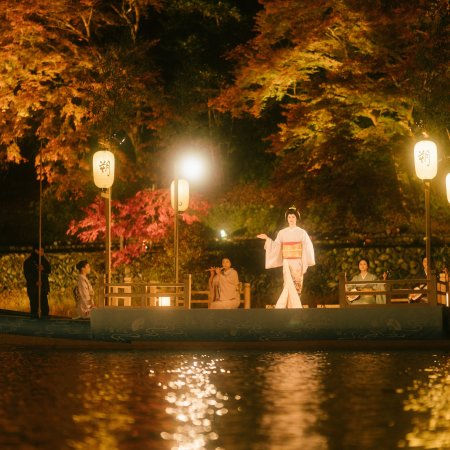
The layout of The Maiko House
The Makanai was fantastic. No Notes. Review Done.
Lol. I kid, but honestly The Makanai is my first foray into Japanese Dramas and I am smitten. The cinematography, the tinkling music, the wholesome housemates, the natural acting-- every part of the show was done with intention and it paid off. The sets and clothing added so much realness to the narrative, even the house felt like a character. It was all very demure, very mindful...
I can't express how light this show was: There is no big, bad antagonist, or mean girl sorority house vibes, but rather a Studio Ghibli-esque motley crew who support each other and work hard as they learn to understand themselves.
Though helmed by two teenage girls, this drama is a treat for all ages. Kiyo and Sumire act their age, which given any other director might have been an insult, but this director understood that being a teenager doesn't automatically equate to being bratty or dramatic, which can happen at any stage in life. He understood that teenage girls are just people learning about independence, understanding disappointment, and realizing what they actually want in life. It's not about changing completely, but growing into who they want to be. Given the age of the leads, there is no romance. The other characters skirt pretty clear as well. I never missed having a romantic element because the show is so full that it never felt "devoid" of anything-- the love between friends, sisters, and for the craft, filled in all available space.
What is a Maiko?
"A maiko is a geisha in training — or apprentice geiko, as geisha are known in Kyoto. The word combines mai (dance) and ko (child), reflecting both the role’s artistic focus and the early stage of their careers. The profession itself is not new, dating back to the 18th century, but it has evolved over time. Today, geiko are deeply respected entertainers who train for years in traditional Japanese arts, including dance, musical instruments, flower arranging, and the refined art of conversation. They are hired by ryōtei, exclusive traditional restaurants, and invitation-only private venues known as ochaya, to entertain guests during banquets and gatherings." Source: Here
How old is a Maiko ?
A Maiko is generally between 15-20 years old. They are expected to have completed junior high school requirements and are carefully supervised by the "mother" of the house which is supported by the profits of the Geisha house. There is some confusion about Maiko's being younger but it was only bygone days that Maiko's were taken in as young as 7. Source: Here
Maiko Training in Stages
Observation Period (Shikomi): Before becoming an official Maiko, hopefuls live in the Geisha house for a year to learn basic customs and are tasked with the household chores.
Apprenticeship (Maiko): For 3-5 years, Maiko's learn the traditional arts such as dance, instruments, tea ceremony, and conversation.
Final Promotion (Erikae): Once the Maiko has successfully completed apprenticeship, she becomes a professional Geisha.
Other Random Maiko Facts:
The Maiko stage only exists in Kyoto, other districts do not include this pathway.
Only 50% of Maiko's complete training to become Geisha.
There are only around 50 active Maiko at any given time. Source: Here
Differences Between Maiko and Geisha
Source: Here
The Disservice of Memoirs Of A Geisha
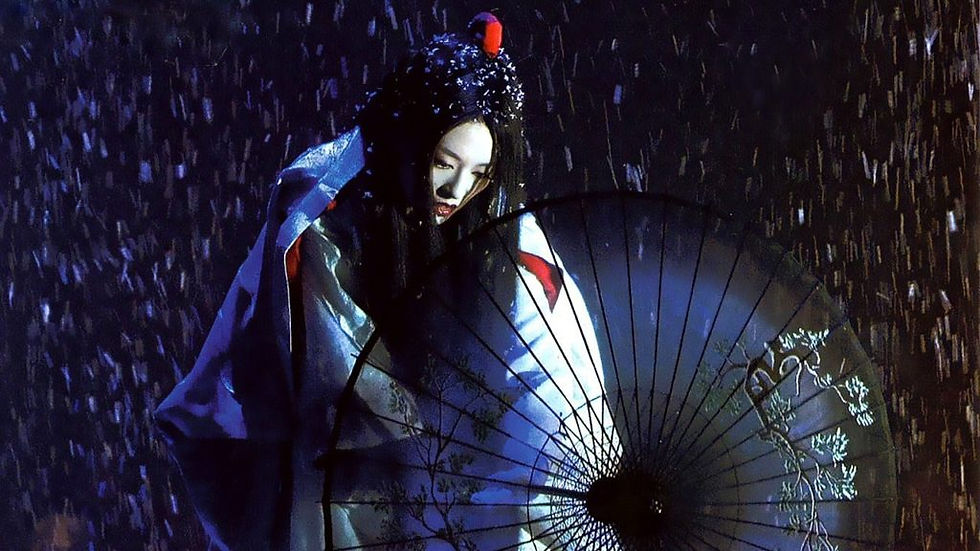
My familiarity with the term Geisha began with the infamous Memoirs of A Geisha after a college roommate swore up and down that I would love the film. Spoiler alert: I did not. Both the original novel and film adaptation are teeming with historical inaccuracies, fetishism, and a gross misunderstanding of the traditional art. And to top if off, it left those unfamiliar with traditional Japanese culture (me included) with the impression that Geisha's are prostitutes instead of keepers of tradition. Martha Bijman wrote a FANTASTIC article about the discrepancies found in both the film and novel, acknowledging that some Geisha houses fell into prostitution when in dire straights but it was a complete departure from the original intention-- and when it came to that, they were no longer considered a traditional Geisha house.
I highly recommend you check out the article Martha wrote (linked here). It provides details on misconceptions and where to learn more about the art form. I gleaned so much from it and now I have a whole heap of book recommendations I want to dive into!
The confusion of Geisha as prostitutes did not originate with Memoirs. There are historical accounts of prostitutes emulating Geisha appearances which is one of the causes of mistaken identity. A more "recent" instance of this was during WWII when Japanese "comfort" women took on traditional appearances to "serve" soldiers both Japanese and American. To deep dive on this, check out this detailed thesis by Britany Castilaw.
To wrap up this topic, I died when I looked up the IMBD for the film while writing this post because I didn't realize when I watched that the two stars are Chinese, not Japanese. Come on, guys. Seriously? Did you even try?
Visual And Character Storytelling Worthy of Studio Ghibli
Comparing a show to Hayao Miyazaki's work is the highest praise I can give and denotes a special ingredient in a show: The concept of Ma, or stillness.
During an interview, Ebert mentioned how he appreciates the “gratuitous motion” in Ghibli films: the absence of plot-driven movements that are, in return, replaced by scenes where characters exist without dialogue. Miyazaki responds to this phenomenon with: “We have a word for that in Japanese. It’s called ma. Emptiness. It’s there intentionally. [claps his hands] The time in between my clapping is ma. If you just have non-stop action with no breathing space at all, it’s just busyness, but if you take a moment, then the tension building in the film can grow into a wider dimension. If you just have constant tension at 80 degrees all the time you… Source: Here
Ma follows the Daoist principle that the most important aspect of a jar isn't the shape or exterior, but the emptiness. The missingness is what makes it a jar. The Makanai excels in the cracks and the mundane motion of Kiyo preparing food and Sumire going to classes. There is no big bad villain to ripple the water but the everyday learning curve of growth that guides the plot and this "lack of" is what really adds charm to the show. The visual storytelling is another layer of this. From Kiyo's grandmother's house to the Makanai house, there is texture of a life lived that negates the need for dialogue to fill in the blanks of who these characters are and have been. Kiyo reminded me so much of Kiki from Kiki's Delivery Service, but also Chihiro from Spirited Away-- she is a young woman trying to gain entry into the world of adults and though was at first turned away, she was able to let go of what wasn't meant for her, and in doing so, was able to embrace a new passion.
Characters To Root For
I've been watching quite a few K-Dramas recently and it was so refreshing to watch a show where the teenagers weren't screeching when they spoke, looked and acted like kids, and the scriptwriter respected where they were at in life. The acting was so organic to the point it felt like I was watching a documentary.
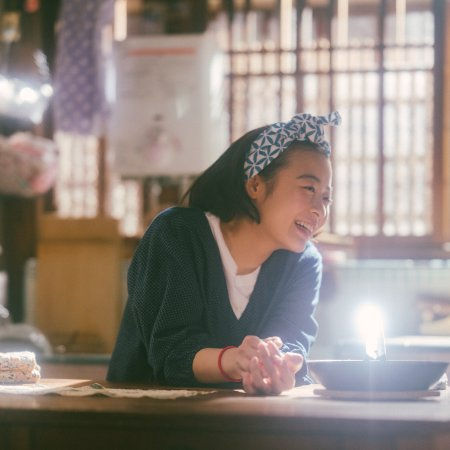 | Mori Nana as Nozuki Kiyo | Kiyo stole my heart. Her character initially just enjoyed cooking but was willing to love it to achieve her dream: Staying with her friend. That being said, it was a clever move to have Kiyo take on the role of the house cook just so she could stay with Sumire, but then have it be the catalyst for Kiyo building relationships outside of Sumire. Kiyo truly came into herself as an individual who found a way to walk beside her friend but didn't need to follow the step by step the path of someone else. I wish they had given her more screentime in the 2nd half but the limelight isn't something this character seeks, so it made sense. Like the house, the director brilliantly built her into the fabric of the show so even when the spotlight is elsewhere, you feel her presence. |
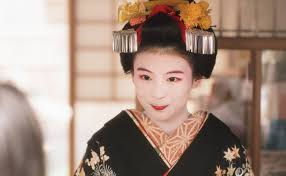 | Deguchi Natsuki as Herai Sumire | Natsuki did a brilliant job portraying a talented Maiko on the cusp of adulthood. She was the Diana to Kiyo's Anne of Green Gables and their bond was so wholesome. I'm so glad the director took their friendship seriously. |
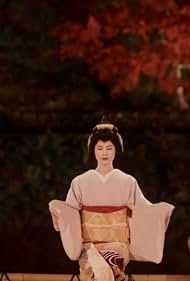 | Hashimoto Ai as Momoko | Obsessed. A girl's girl who truly loves her art. And horror movies. And now I want a bob ***cries in lack of bone structure*** |
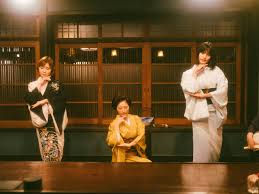 | Matsuzaka Keiko as Chiyo | A warm hearted "house mother" whose storyline unfolded slowly but was just as critical as her younger co-stars. She is a character who could have been a jaded 'has-been', but was was so 'much' as she was that the loss of her former glory wasn't even important. |
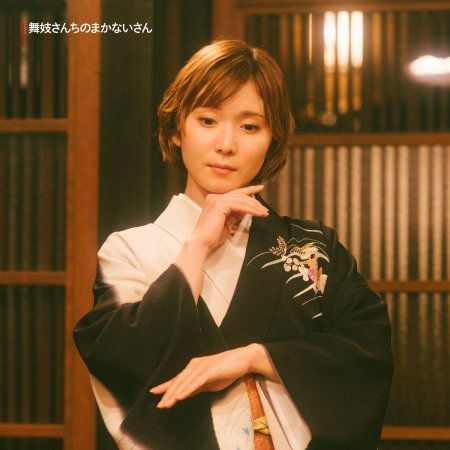 | Matsukoa Mayu as Yoshino | I was wondering where we were going with this character but her presence was necessary as it revealed so much about the other women in the house. And she grew on me in the end. |
Rivals, Or The Lack Thereof
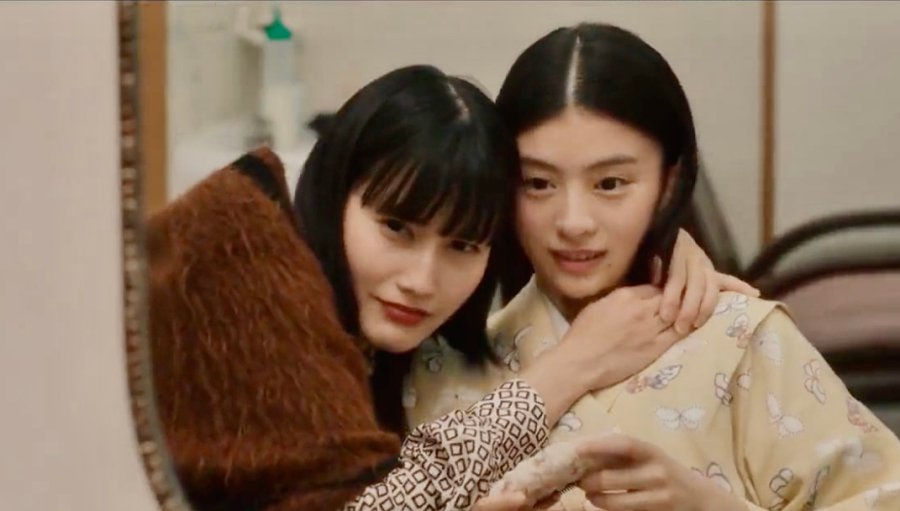
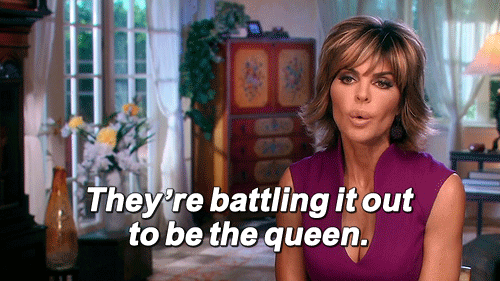
These girls could have been portrayed as scheming rivals (looking at you, Memoirs) but these ladies were real ones. They worried about, cared for, and supported each other throughout the whole show. God Bless. Sumire as the up and coming Geisha could have been seen by Momoko as an adversary, but Momoko truly loved the art and was glad to see Sumire carry it on. Yoshino and Momoko are Geisha who have competed against each other and are technically "rivals", but it felt like the rival of sisters. The drama subtlety emphasized that both Geisha provided different charms that were equally valuable. Hilariously, Momoko felt like Kiyo was her real "rival" because she divided Sumire's attention from the art form and Momoko saw herself as one with the Geisha art form. There was no backstabbing or Housewives behavior and I appreciated that.
Leaving The House
Again, I can't express how much I enjoyed The Makanai House. Go into it with the mindset of floating down a lazy river (and with a full stomach because Kiyo's cooking with make you salivate). It's a thoughtful coming of age narrative done right, that brilliantly balances the push and pull of holding on and letting go. Kiyo's determination to stay at the house and her success in doing so is contrasted so wonderfully with the Maiko learning to say goodbye after each dance and with the theme of the impermanence. The adult world is ephemerality-- jobs obtained can be lost, people come and go, but to have had one moment of meeting is still precious. Sadly, I will never watch this show again for the first time, but I look forward to what our next meeting will hold.

RBTS Overall Rating: 9.4-- I Recommend! | ||
Story: | 9 | Loved the friendship and learning about the culture. This is a story driven by characters that succeeded because the characters were wonderful. |
Acting: | 10 | So natural and understated. Not a screech to be heard. |
Production Quality: | 10 | The show had visual texture and everything from the camera quality, to sets, to costumes added to the narrative |
Ending: | 9 | I felt so proud of the girls, but I wanted more focus on Kiyo. |
Enjoyability: | 10 | Loved! |
#themakani #maiko #2023 #jdrama #makanireview #morinana #hashimotoai #deguchinatsuki #jdramareview #MatsuzakaKeiko #TokiwaTakako #JyoKairi #FukuchiMomoko #WakayanagiKotoko #MinamiKotona #LilyFranky #KitamuraYikiya #OmiToshinori #FurutachiKanji #TodaKeiko #ShiraishiKayoko #IuraArata #MiruRina #SuzukiRyoga #Maedakoki #OkuKarin

Comments